Beach and Neighborhood Cleanups
San Diego Coastkeeper offers a variety of ways for you to lend a hand picking up trash and preventing marine debris from accumulating in our ocean.
About San Diego Beach and Neighborhood Cleanups
Participating in a beach or neighborhood cleanup is a great way to have an immediate positive impact on the environment. By removing trash before it infiltrates our inland and coastal waters, you are helping protect the ocean and marine life from harmful marine debris. Cleanup volunteers collect, identify, and quantify trash to help us understand its origins and composition. This data informs our science, education, and advocacy work to support healthier communities and a cleaner environment.
Since 2007, we have partnered with Surfrider Foundation San Diego Chapter. Together, collect valuable debris data at beach cleanups up and down the coast. Thanks to volunteers like you, we have one of the longest-running community science marine debris databases.
Ways You Can Help
San Diego Coastkeeper offers various ways for you to help keep your neighborhood clean and healthy and protect our coastal and marine environments.
Click on each image below for additional resources.
Attend a Community Cleanup
Cleanup supplies provided, but please bring your own bag, bucket, and work gloves if you have them. Unless otherwise noted, all cleanups will be held from 9 am to 11 am. Pre-registration is only needed for groups of 20 people or more – please contact us at [email protected] or [email protected] depending on who is hosting.
TAKE ON THE SIX CLEANUP CHALLENGE
The Six Cleanup Challenge is our innovative, COVID-safe volunteer cleanup and community science program. It combines outdoor adventure, volunteerism, and data collection to challenge San Diegans to go beyond the average beach cleanup and into their coastal watersheds. Individuals and households conduct do-it-yourself cleanups while exploring our region’s unique and diverse beaches, neighborhoods, canyons, and parks to remove harmful debris and litter and protect their communities.
HOST A SPONSORED BEACH CLEANUP
We invite impact-minded organizations and companies to partner with us and create a customized sponsored beach cleanup. Engaging your employees and members through volunteerism can inspire community involvement and build a culture of service and philanthropy. Hosting a sponsored cleanup challenge is a great way to demonstrate your company’s commitment to giving back.
BECOME A PARTNER
Demonstrate your leadership and commitment to environmental stewardship, your community, and the planet. By becoming a Coastkeeper sponsor, you help support essential programs, like our beach and neighborhood cleanups, that protect and restore San Diego’s waterways and coastline. Explore clean water initiatives that advance public education and understanding of science and policy.


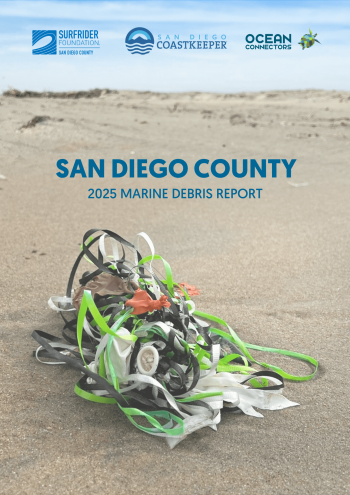
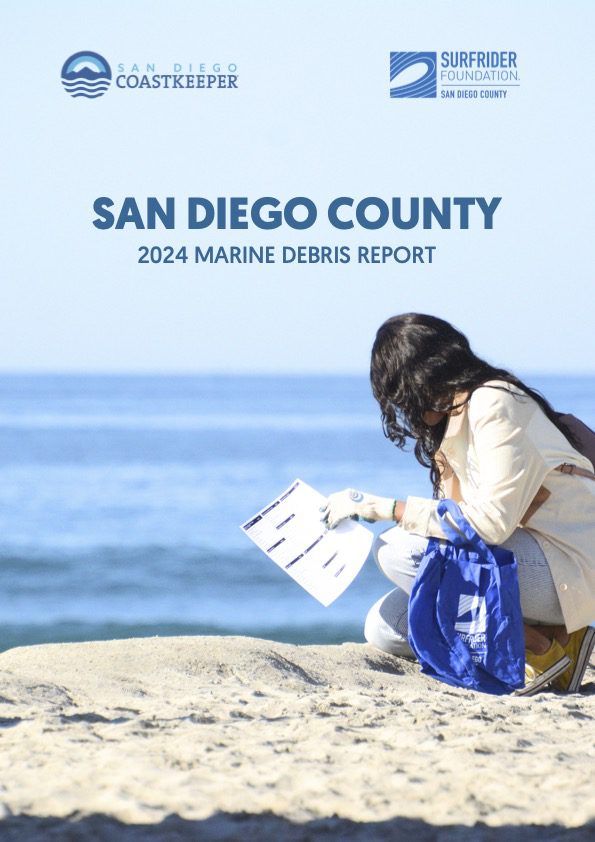
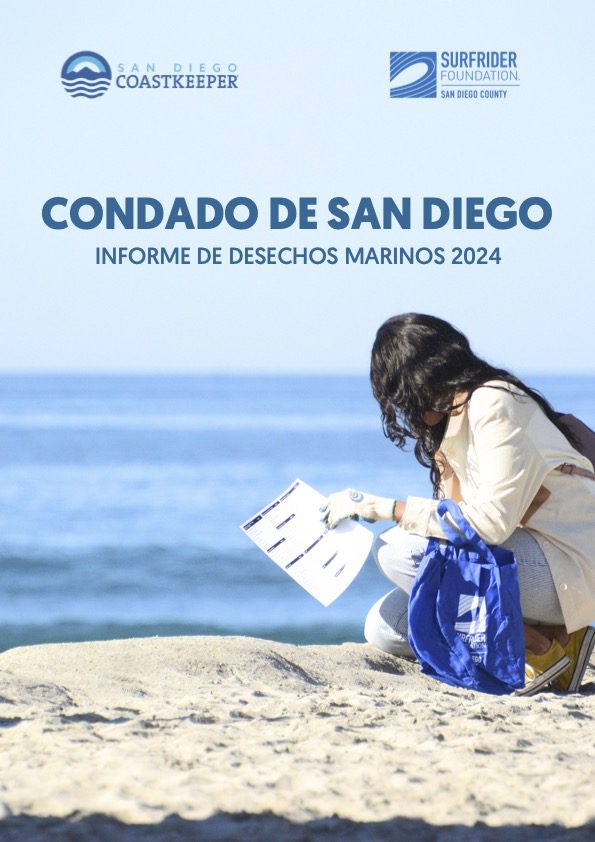
2024 Marine Debris Report


INFORME DE DESECHOS MARINOS 2024
Community members comb Carlsbad rail tracks to document plastic pellet pollution
Event part of second-annual International Plastic Pellet Count, drawing thousands of volunteers nationwide CARLSBAD, Calif. – Volunteers gathered at Rotary Park in Carlsbad Saturday to search for plastic pellets — tiny, lentil-sized plastic beads, also known as ‘nurdles’, that are the building blocks of plastic production — as part of the second-annual International Plastic Pellet Count. Thirteen volunteers found 697 pellets in just 10 minutes. The Carlsbad event is one of hundreds taking place in May across the country and world, organized by a coalition of environmental and community groups. Thousands of community scientists will collect and document plastic pellets at beaches, riverbanks, and other bodies of water. “Nurdles may be small, but their harmful impact on our waterways and wildlife is significant,” said Fiona Hines, legislative advocate with CALPIRG Education Fund. “Californians deserve clean beaches and healthy oceans, not a coastline littered with plastic.”
Plastic pellets frequently spill during manufacturing and transportation, littering coastlines and waterways. An estimated 10 trillion plastic pellets enter the oceans every year. Once in the environment, pellets absorb and spread toxic chemicals including DDT, PCBs, and mercury, and can be mistaken for food by birds, fish, turtles, and other marine animals. Those pollutants bioaccumulate, becoming more concentrated and toxic as they move up the food chain — eventually reaching humans. The pellet count comes just months after San Diego Coastkeeper and the Coastal Environmental Rights Foundation reached a resolution with BNSF Railway over the spillage of plastic pellets during rail transport, resulting in new nationwide protocols requiring the proper sealing of both loaded and unloaded rail cars that transport pellets. Though the new standards mark a significant step forward, volunteers at Saturday’s count were still finding pellets along
nearby tracks, a reminder that sustained monitoring will be essential to measure their real-world
impact.
“Due to their size, these pellets are extremely difficult to clean up once they’re released into the
environment, so containing them at the source is critically important,” said Patrick
McDonough, Senior Attorney for San Diego Coastkeeper. “Conducting pellet counts like
these provide important data allowing us to monitor the effectiveness of source control protocols
over time.”
Organizers hope the count’s data will help catalyze policy changes to reduce plastic pellet
pollution at the source — holding manufacturers and transporters accountable for spills, and
pushing for stronger regulations on plastic production and handling.
“Plastic pellets are small, yet their impact is vast and destructive because they easily spill and
end up in our oceans,” said Lisa Gilfillan, Field Campaign Manager for Oceana. “These tiny
pieces of plastic are difficult to clean up, contributing to the growing plastic pollution crisis that
threatens our coasts, communities, and wildlife. By documenting plastic pellets, we can bring
awareness to this source of plastic pollution and push for solutions that protect California waters
for future generations.”
The International Plastic Pellet Count runs through May. A forthcoming report, similar to the
2025 report, will detail the findings and make recommendations.
Professional photos available soon upon request.