Multiple Use MPAs are areas with less protection. Although they are still protected, some fishing may be permitted.
No-Take MPAs are protected from activities such as fishing or collecting. However, tourists and civilians may still be able to enjoy exploration and activities such as snorkeling or boating.
| Term | Definition |
|---|---|
| State Marine Reserve (SMR) | Fishing and harvesting are prohibited. |
| State Marine Conservation Area (SMCA) | Some fishing and harvesting are permitted. |
| “No-Take” State Marine Conservation Area | Fishing and harvesting are prohibited. |
The Marine Life Protection Act (MLPA), which passed in 1999, mandated that California re-examine and reevaluate existing MPAs, with the ultimate goal of creating a scientifically sound, community-supported statewide network of MPAs designed best to protect California’s unique and vibrant coastline from exploitation.
The United States has more than 1,700 MPAs which cover around 41% of US waters. Often under federal control, these areas are protected to conserve the biodiversity of our oceans and to keep the balance between all the interconnected ecosystems, including the land we live on.
There are 124 MPAs in California, and they are sometimes referred to as “underwater parks.” These parks are not only a haven for marine life but protect California’s legacy of marine recreation and improve fishing opportunities in surrounding waters. You can explore California’s network of MPAs online by visiting Fish and Wildlife’s MPA page.
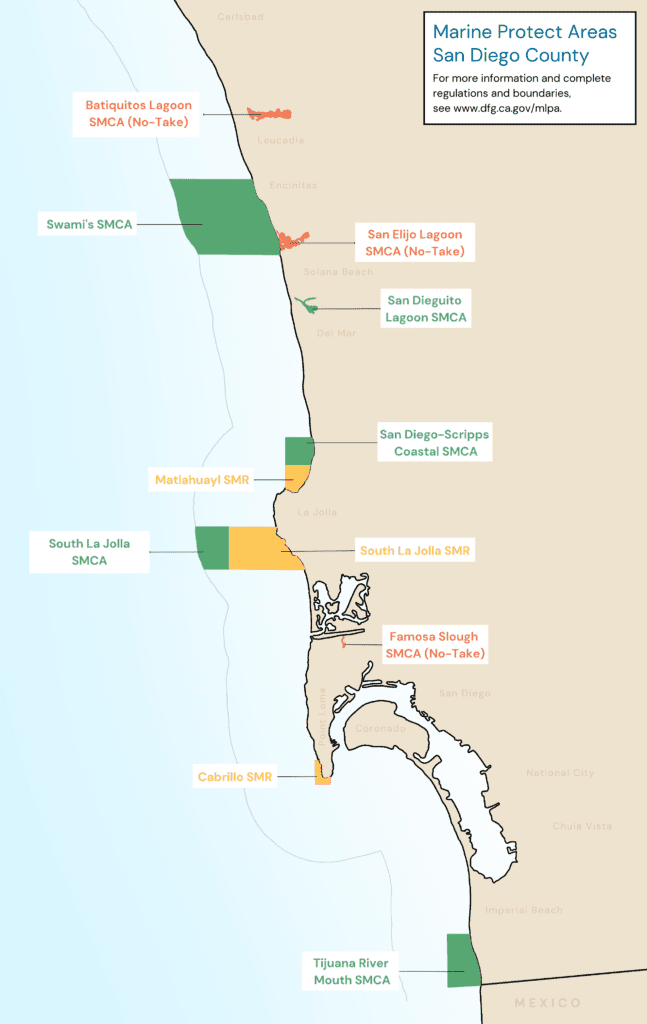
San Diego’s MPAs provide essential protection to wildlife along the coast of Southern California, and – because MPAs do not restrict coastal access and non-extractive uses – preserve our heritage as surfers, swimmers, SUPers, divers, kayakers, tide-poolers, and beachgoers. San Diego County boasts the following eleven unique marine protected areas featuring different levels of protection.
| MPA Name | MPA Description |
|---|---|
| Batiquitos Lagoon SMCA (No-Take) | In 1996, restoration activity opened Batiquitos Lagoon to the ocean, increasing the species diversity in the lagoon from five to sixty-five. Since then, fish populations have increased in diversity, population size, and resilience. |
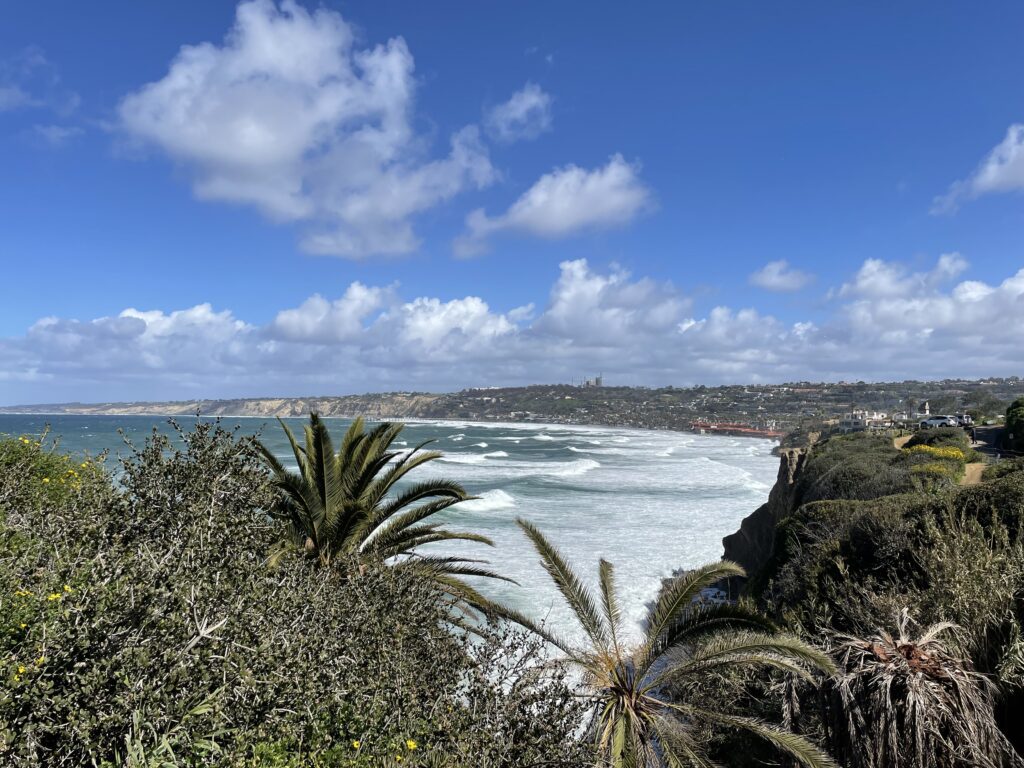
| Swami’s SMCA | This MPA is home to diverse marine life, including sea otters, dolphins, and various fish species, essential for local fishing communities and the seafood industry. This is also a significant destination for surfing and observing tidepools, attracting many tourists. However, there are restrictions on all fishing excluding finfish by hook-and-line from shore. |
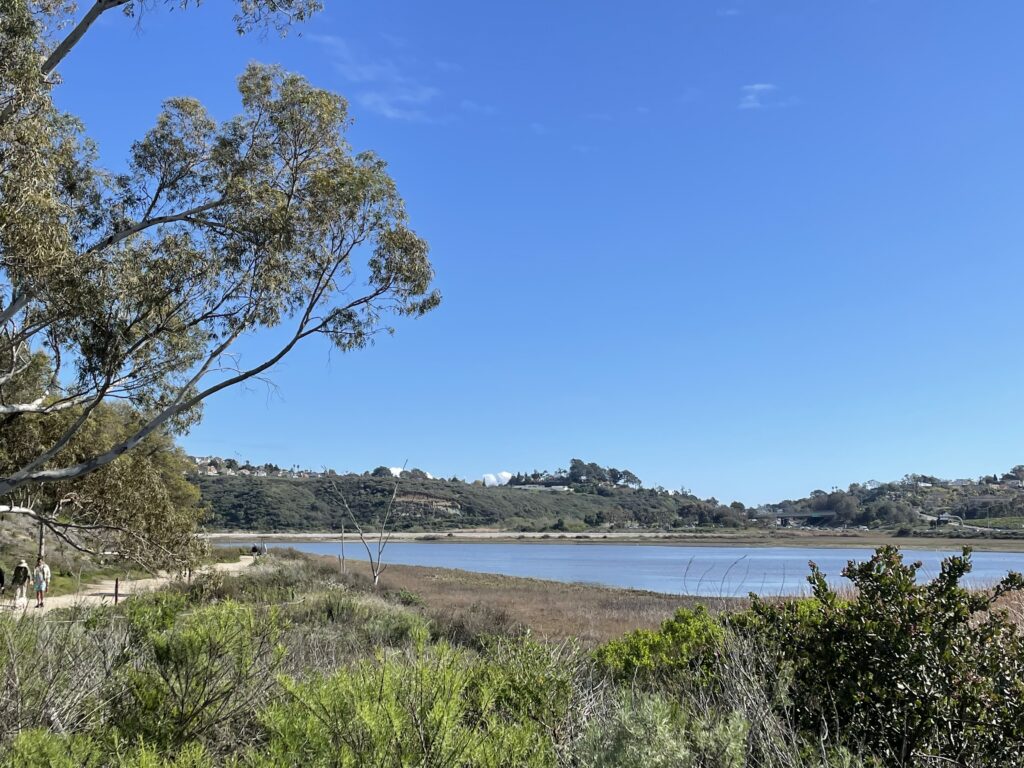
| San Elijo Lagoon SMCA (No-Take) | This reserve is one of California’s largest coastal wetland reserves featuring 1000 acres of conserved, no-take wetlands and 7 miles of trails for recreational activity. This area is protected to conserve coastal marsh habitat and shallow estuary waters and protect fish, invertebrates, and birds that reside here |
| San Dieguito Lagoon SMCA | This ecological reserve provides critical habitat for migrating waterfowl, nesting sites for sensitive bird species, and a nursery ground for local fisheries. The only fishing permitted is for finfish by a hook from shore. Many disappearing species have resurfaced here since the restoration began. |
| San Diego-Scripps Coastal SMCA | Since 1929, this MPA has aimed to protect the habitats of the Submarine Canyons of La Jolla. Opaleye, California halibut, and other fish species depend on preserving this area to survive and the southernmost mussel bed in California. |
| Matlahuayl SMR | Established in 1972, this MPA features kelp forests, rocky reefs, and abundant marine life, providing a healthy habitat for local seafood such as abalone and sea urchins. Native tribes such as the Kumeyaay and Luiseño have utilized these resources for thousands of years, making them culturally significant. |
| South La Jolla SMCA | This two-and-a-half square mile territory shares a border with the South La Jolla SMR. The protected area bolsters many species, including gorgonians (soft coral), rockfishes, white urchins, and many mammals. This is a no-take MPA, excluding a select few fish. |
| South La Jolla SMR | Adopted as an MPA in 2012, this biological hot spot includes dense kelp forests, intertidal areas, and rocky reefs. This no-take site is one of the oldest, long-term, and well-studied temperate marine ecosystems. |
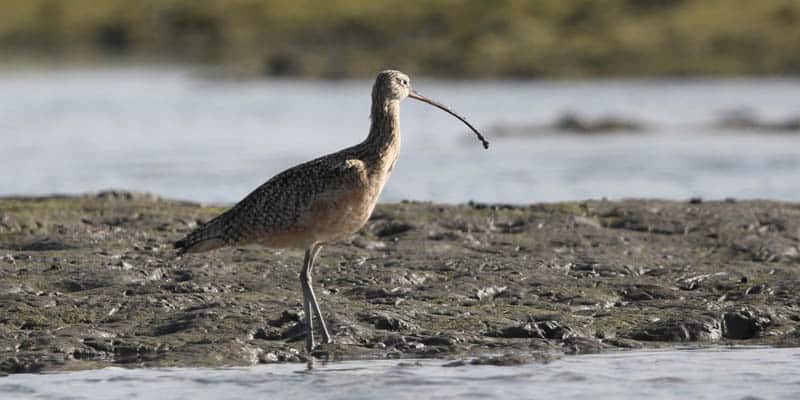
| Famosa Slough SMCA (No-Take) | This urban wetland features a 25-acre wetland and 12-acre natural channel connecting to the San Diego River and is a significant feeding and resting site for a number of shorebird species. The area charms environmental enthusiasts for its dense amount of plants and wildlife that can be observed. |
| Cabrillo SMR | Point Loma Kelp Forest Reserve: The kelp forest in this MPA is a vital habitat for many marine species, including sea urchins, sea stars, and octopuses, which supports local food systems and fishing communities. This coastline provides breathtaking views and scenery to explore. |
| Tijuana River Mouth SMCA | The Tijuana River Estuary: As one of the few remaining salt marshes in Southern California, this habitat is vital to breeding, feeding, and nesting for over 370 species of migratory birds, including six endangered species. |

San Diego Coastkeeper firmly believes in the importance of MPAs in preserving recreation opportunities, enhancing the underwater environment, and strengthening local fisheries.
San Diego Coastkeeper participated heavily in the Marine Life Protection Act process and dedicated several staff members to MPA advocacy. Coastkeeper representatives stood up for conservation interests on the Regional Stakeholder Group, which ultimately generated San Diego’s MPA maps for consideration by the Fish and Game Commission. Following the completion of the design phase, Coastkeeper continued to advocate for the strongest and smartest possible protections for San Diego’s coast. Our MPA-related education and outreach efforts garnered widespread community support, including an endorsement from numerous elected officials and business leaders. In the midst of this groundswell of support for a healthier coastline, over 700 MPA supporters attended a Fish and Game Commission hearing on the issue held in San Diego in 2010.
Finally adopted in 2012, MPAs are a welcome part of San Diego’s marine conservation and recreation legacy that benefit both local wildlife and the San Diego community. Coastkeeper played a key role in creating these important “underwater parks.” Today, our team enjoys MPAs for all their benefits: unique recreation opportunities, cultural preservation, healthier fisheries, protected underwater habitats, and more.