
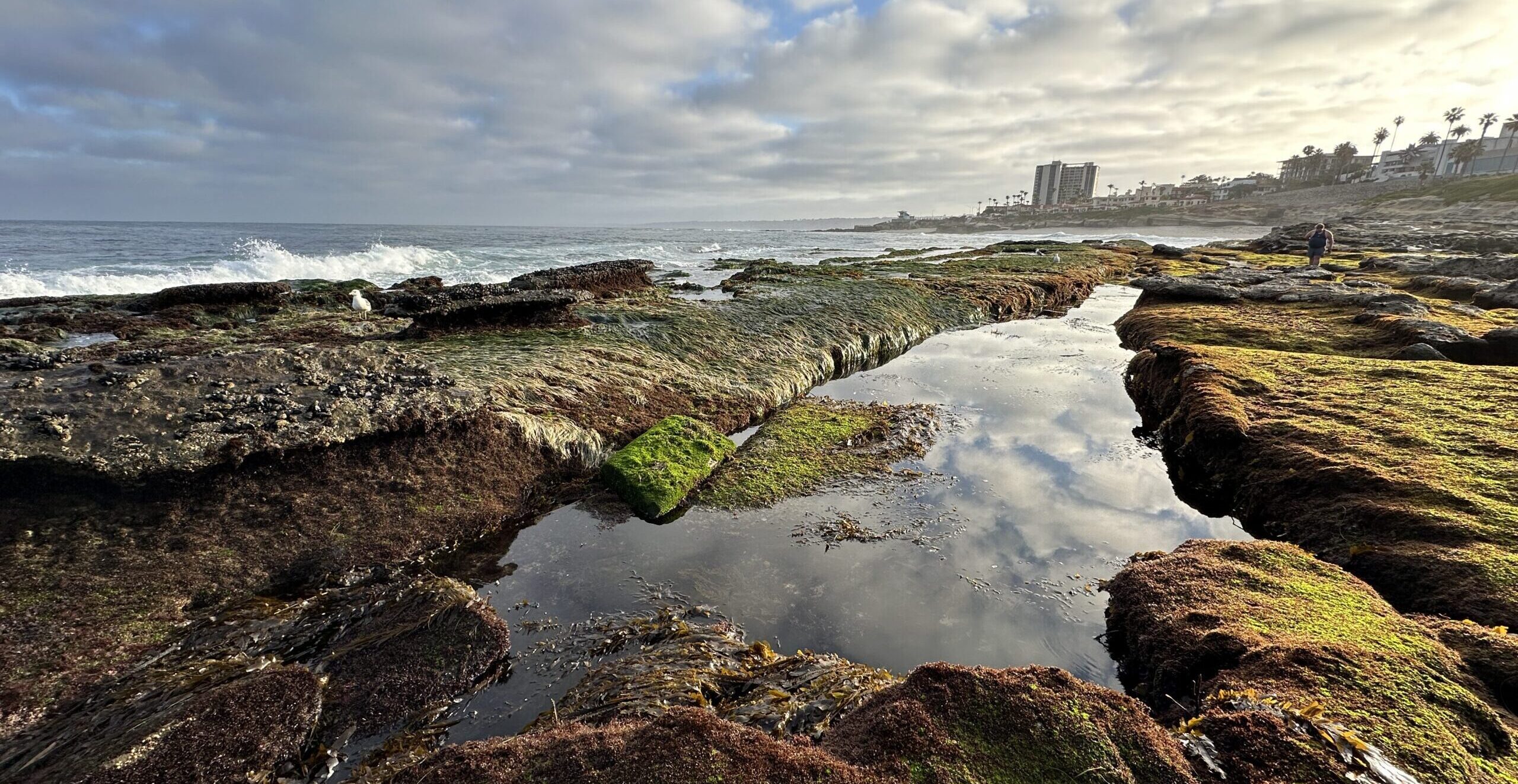
San Diego’s coastline features some of California’s most beautiful and accessible tidepools. These dynamic ecosystems offer incredible opportunities to observe marine life up close, from colorful sea anemones and sea stars to hermit crabs and occasionally even octopuses. Tidepooling is a chance to connect with nature and learn about the delicate balance of life in the intertidal zone.
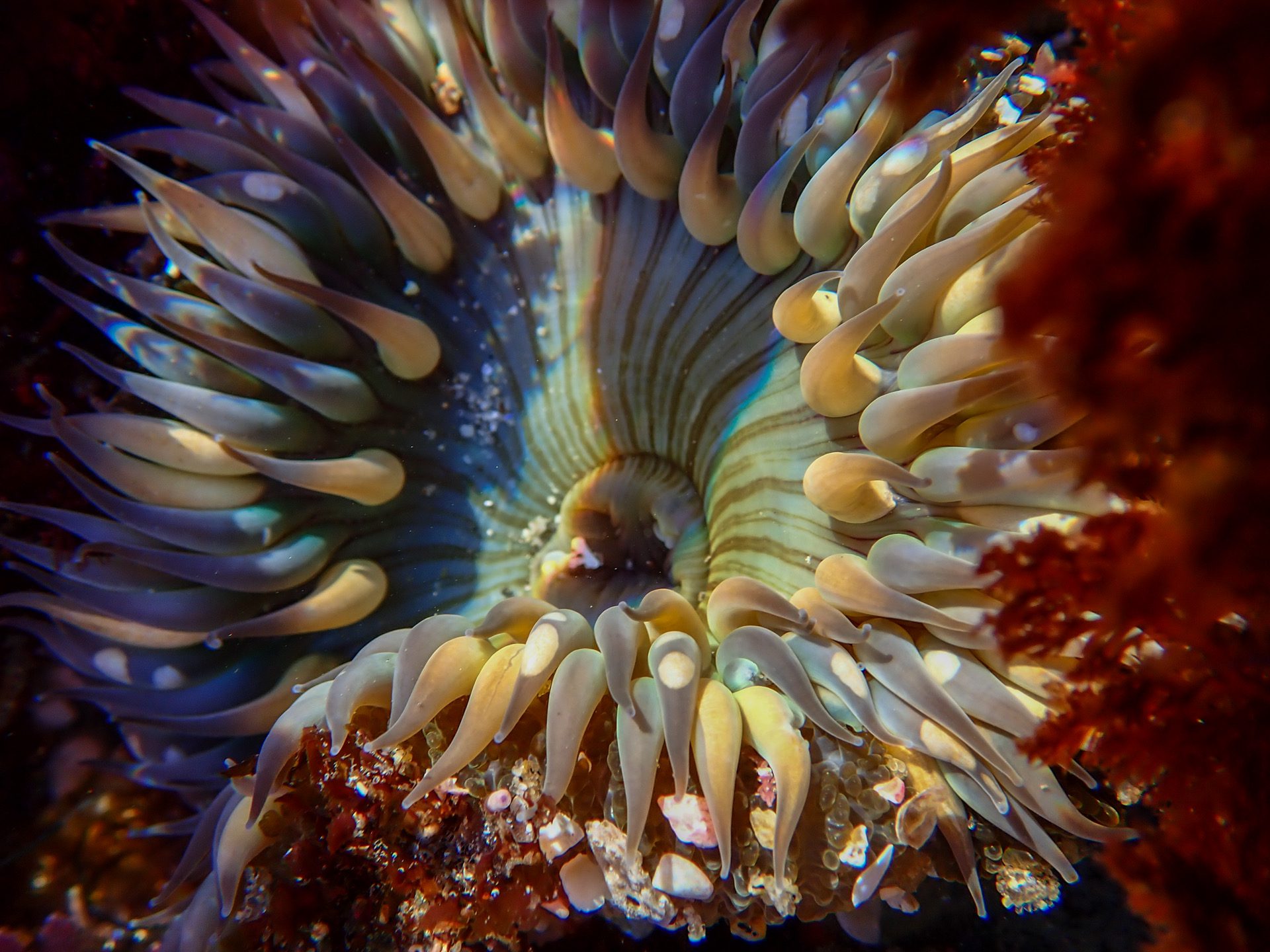
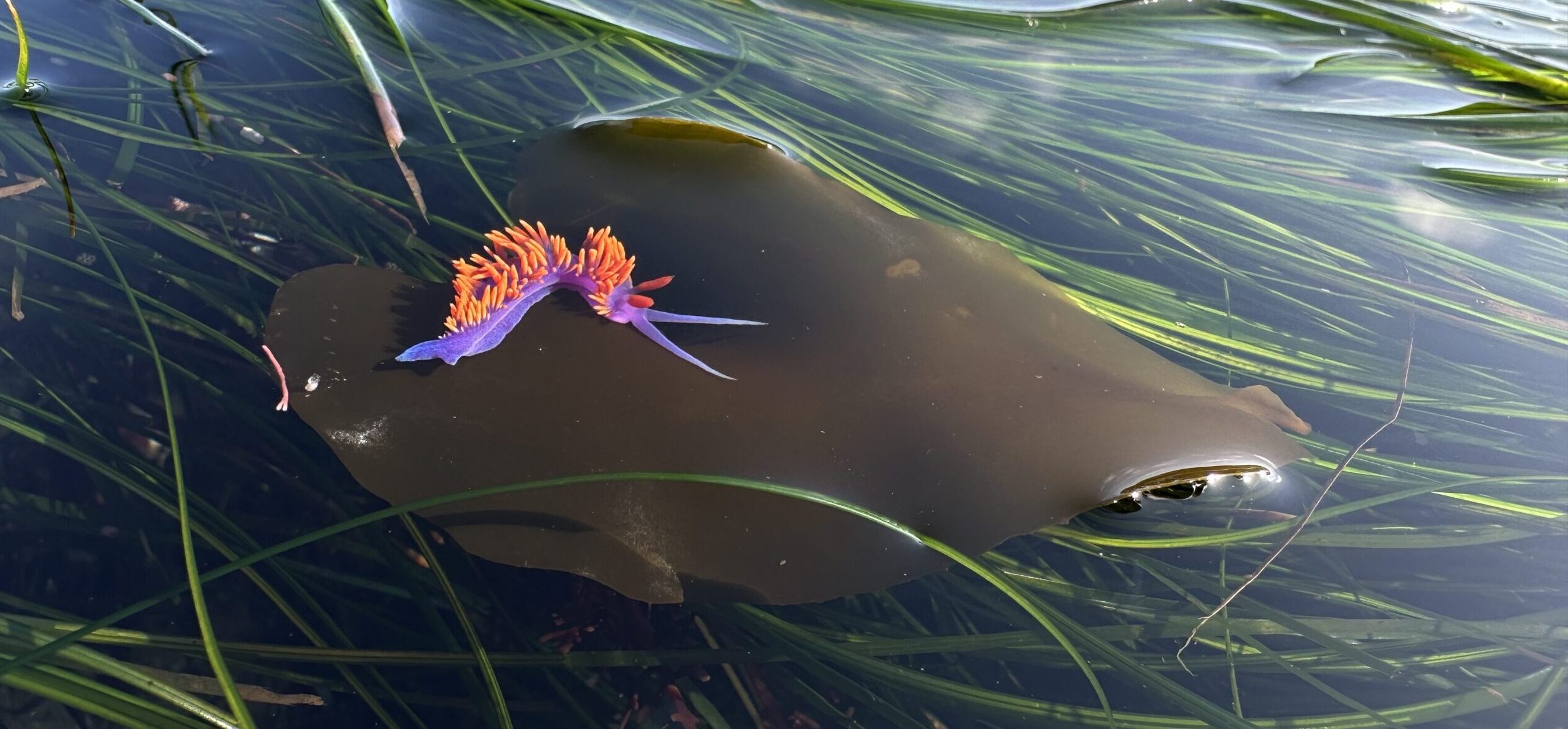
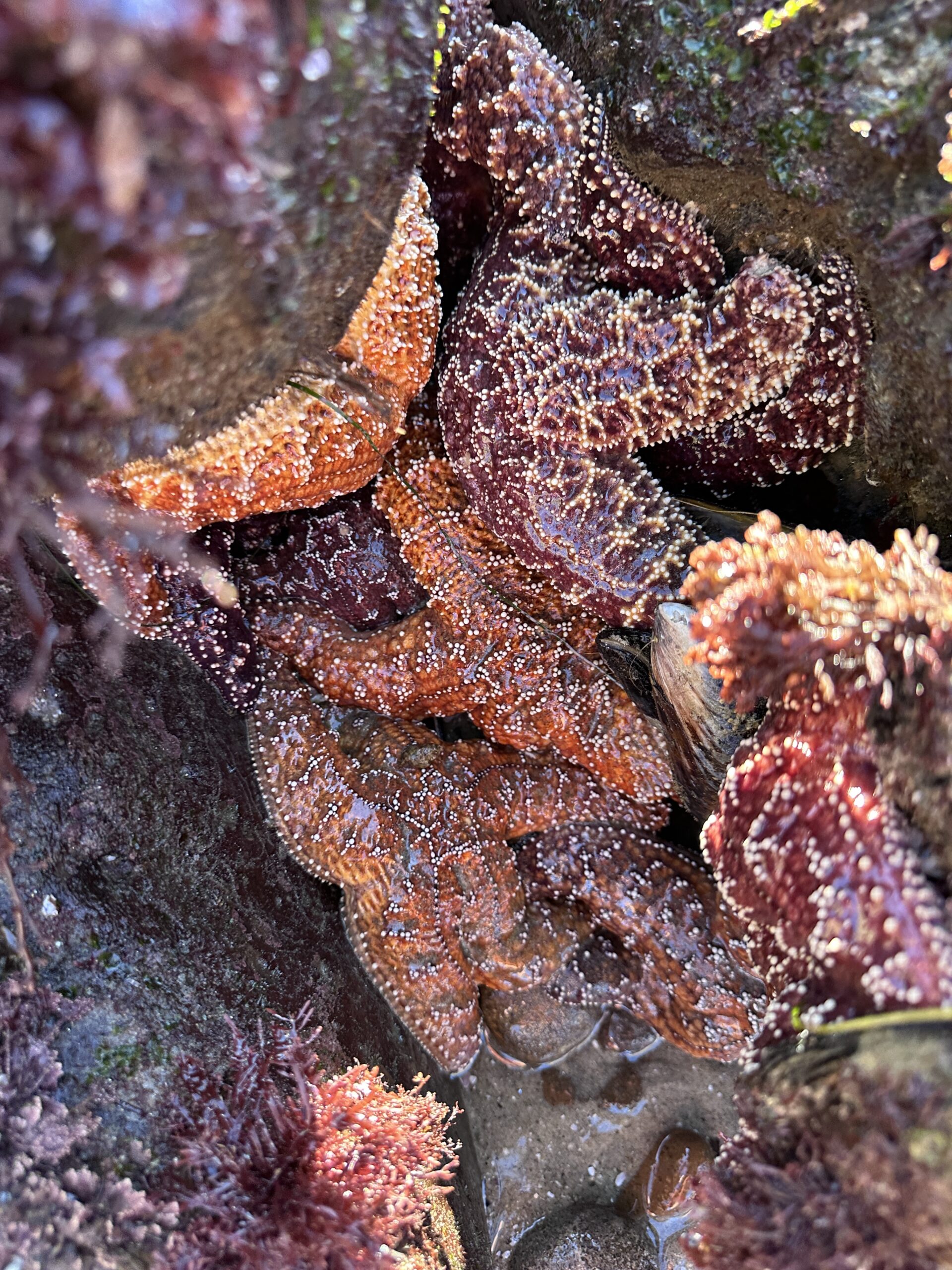
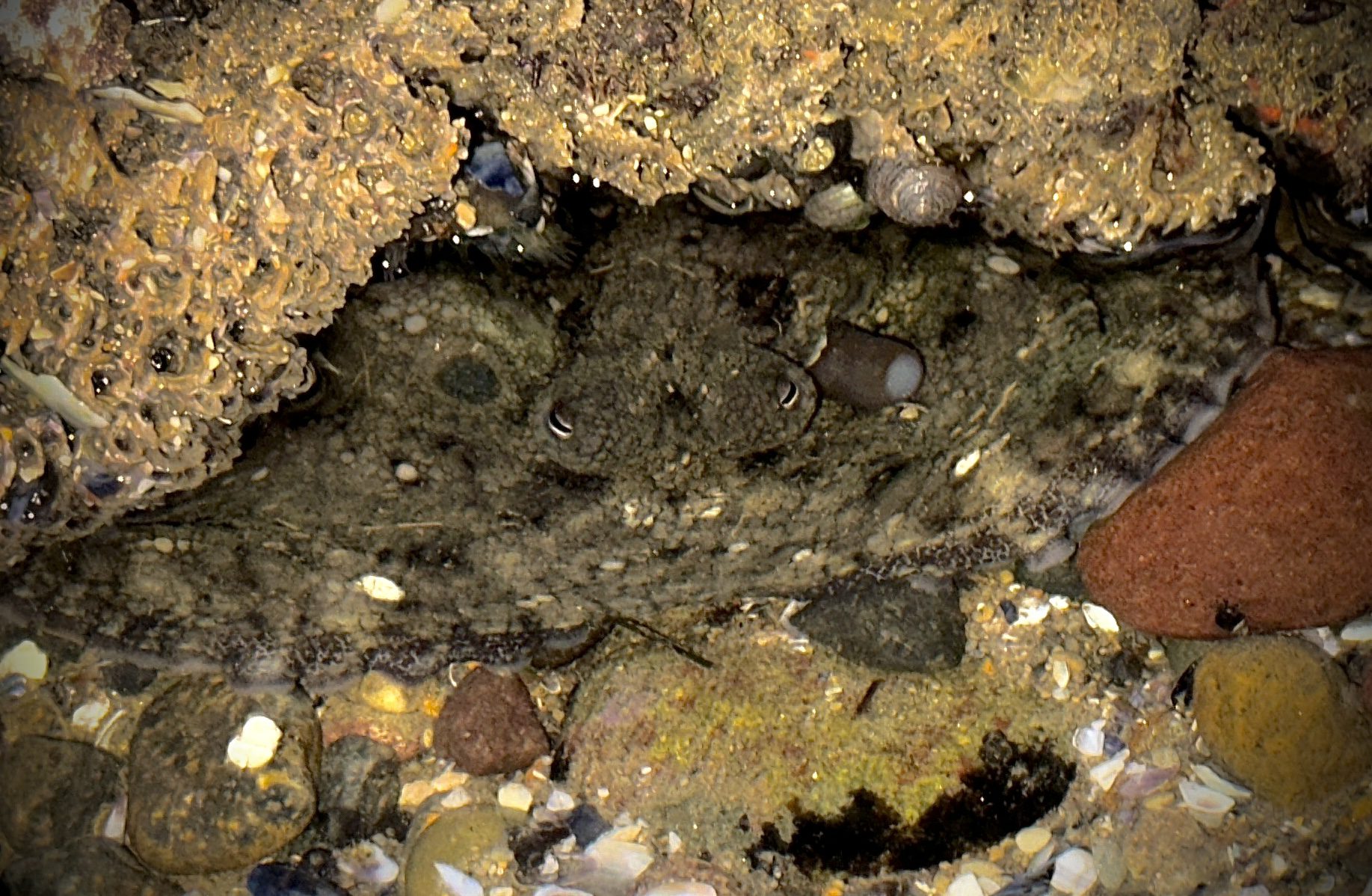
Photos by Nicky Rosenberg
But here’s the thing: much of that life is easy to miss. That rock? It might be covered in barnacles. That clump of algae? Probably a colony of living animals. Many tidepool creatures blend into their surroundings or look very different out of the water. Knowing what to look for, and how to look, makes all the difference in protecting these fragile ecosystems.
San Diego County is home to eleven marine protected areas where tidepool habitats are protected by law. Given how many people visit San Diego’s coast each year, good tidepool etiquette is the only way to ensure future generations can enjoy these same beautiful places. These guidelines apply to all tidepools—not just those in protected areas.
Do:
- Look closely before you step. Some tidepool animals look like rocks, plants, or nothing at all. Barnacles appear dead out of the water. Chitons flatten against stones like rough patches. Anemones close up into squishy blobs, covered in pieces of shell. Take time to observe before moving.
- Step on bare rock only. If a surface looks textured, fuzzy, or colorful, it’s probably alive. Trampling is one of the biggest threats to tidepools and can permanently change the community of organisms living there. Sturdy shoes with tread prevent slippling.
- Take only pictures. Leave everything where it is: shells, rocks, seaweed, animals. Even an empty shell might be a hermit crab’s next home.
- Watch wildlife from a distance. Binoculars and a camera with a zoom lens allow for a closer look without getting too close. Marine mammals are protected by law and can become aggressive if they feel cornered or threatened.
- Leave pets at home. Dogs can disturb wildlife, damage fragile organisms, and may be chased or attacked by marine mammals.
Don’t:
- Don’t touch or pick up animals. Handling causes stress and can injure creatures with delicate bodies. Some animals can also cause injury to visitors. In marine protected areas, even temporarily picking up an animal can result in a fine.
- Don’t crowd the tidepools. Too many people in one area causes stress to marine life and damages the habitat. If you see a crowd, visit another location. Give space to other visitors and wildlife.
- Don’t flip rocks or pry anything off. The underside of a rock is a specialized habitat. Animals living there cannot survive exposure to sun and air. If it’s attached to the rock, leave it attached. Limpets, mussels, sea stars, and barnacles grip the rock for survival. Removing them is fatal.
- Don’t feed wildlife. Animals can become dependent on humans when fed, and human food can make them sick.
- Don’t leave trash behind. Bring a bag, remove man-made trash and don’t leave anything behind. Be a steward of this delicate ecosystem, not just a visitor, so we can enjoy these places for years to come.

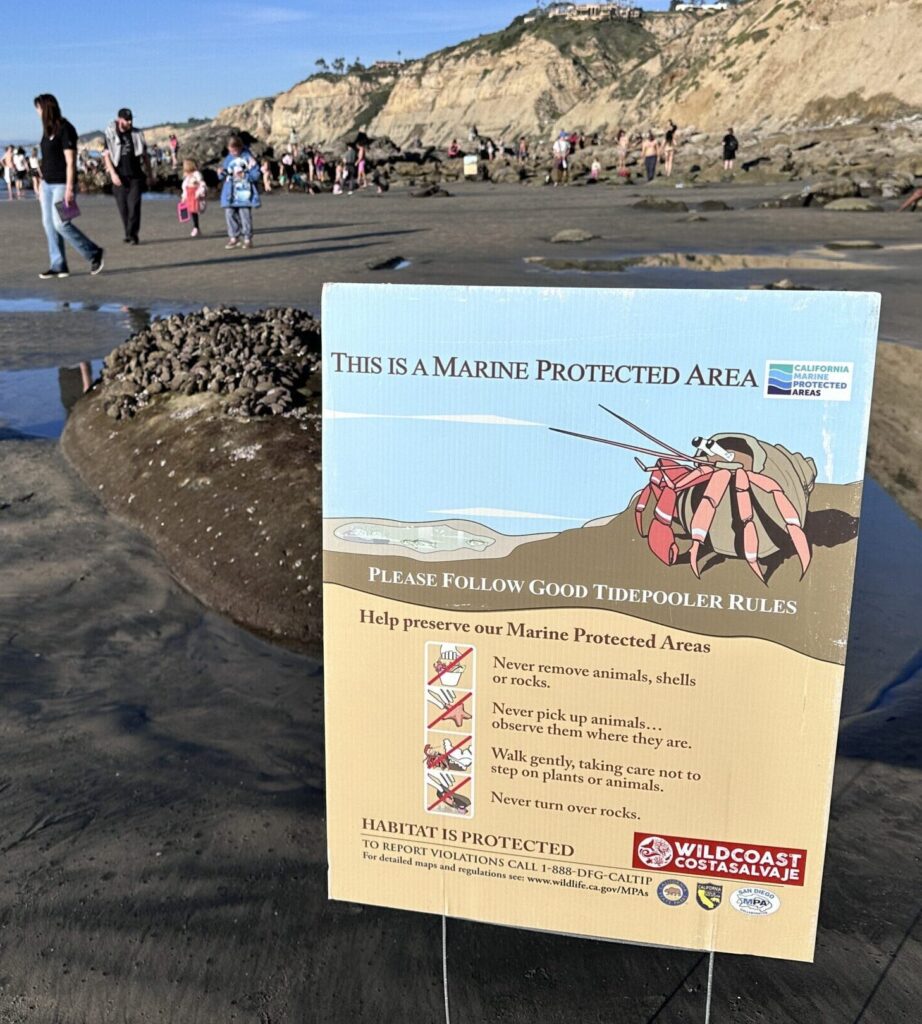
See Something? Say Something
Report poaching or wildlife harassment to CalTIP: 1-888-334-CALTIP (1-888-334-2258), available 24/7. Tips can also be submitted through the free CalTIP app or by texting tip411.
Learn More
Activity Coloring Books for Kids
8/7/2014: Original post by Thais Fonseca Rech
1/21/26: Updated by Nicky Rosenberg