



By Courtney Brown & Patrick McDonough, Staff Attorneys at San Diego Coastkeeper
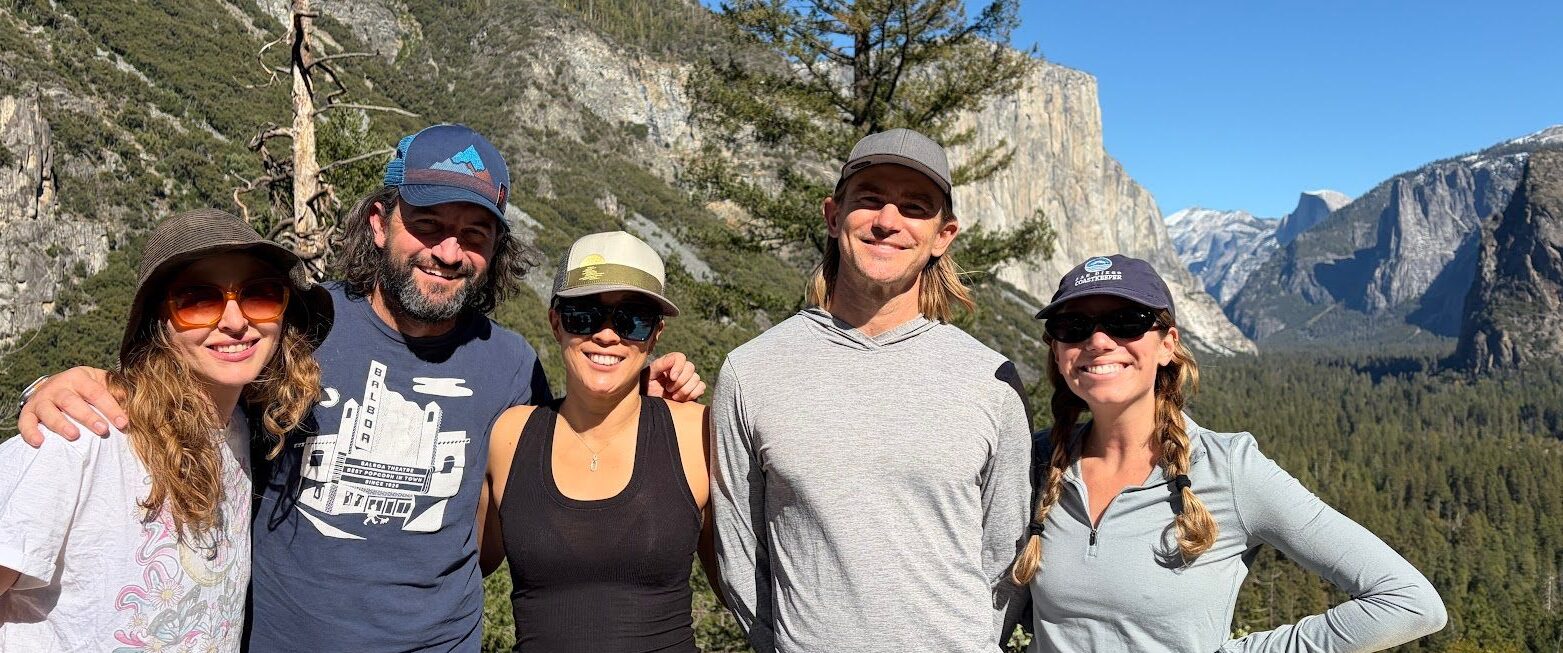
Image shows Courtney & Patrick on the right, joined by lawyers from the California Coastkeeper Alliance
From October 16 – 19, 2025, nearly 800 attorneys, policymakers, agency representatives, students, and environmental professionals gathered at the Tenaya Lodge near Yosemite National Park for the 34th Annual Environmental Law Conference at Yosemite. Over four days, attendees immersed themselves in legal education, networking, and the breathtaking natural beauty of one of California’s most iconic landscapes.
Thanks to the generous support from The Campbell Foundation, Patrick McDonough and Courtney Brown were proud to represent San Diego Coastkeeper’s legal team at this renowned event, bringing home new insights, strategies, and inspiration to strengthen our mission of protecting and restoring clean water in San Diego.
Lessons Learned
In the weeks following the conference, our team has been unpacking lessons from thought-provoking panels and conversations with leaders who are shaping California’s environmental future.
Panels featured a diverse array of speakers, frequently including multiple perspectives from top litigators, academics, state and local officials, and non-governmental organizations. This year’s sessions covered a wide range of compelling topics, including:
- Recent developments in environmental law before the U.S. Supreme Court, U.S. Circuit Courts of Appeals, and the California Supreme Court — discussing SCOTUS’s decisions to invalidate important Clean Water Act permit provisions and dismantle NEPA, as well as its concerning expansion of shadow docket decisions.
- Sea level rise and the costs of climate adaptation — Rising costs from more extreme climate events demand a new approach to SLR adaptation. By viewing natural resources through an ecosystem services framework, we can demonstrate that investments in projects like wetland restoration deliver far greater returns than the escalating cost of inaction.
- Updates to state & federal environmental laws, such as CEQA and NEPA — while NEPA has been put on life support, California concerningly rushed to enact several CEQA exemptions intended to help with housing affordability, but which opened some gaping loopholes and unintended consequences. Fortunately, the legislature is already working to rectify these mistakes.
- California’s ongoing water supply challenges — the tensions between north and south, metropolitan and agricultural use, potable human uses and environmental needs, all with the backdrop of dwindling supplies in the face of climate change.
- Legal strategies for state-level action under the second Trump administration — in this age of velocity and ferocity of the dismantling of environmental regulation, it’s more important than ever that we as clean water advocates stay the course to stand up for what is just and right.
- The growing crisis of plastic pollution — fascinating but disturbing statistics from OEHHA (the science branch of CalEPA) including the widespread findings of plastics in all human tissues and organs. But the state is bringing a lawsuit against giant plastic companies related to false advertising regarding recycled plastics.
One standout session, “They Tried to Bury Us; They Did Not Know We Were Seeds,” focused on community resilience and environmental justice. The panelists drew from their broad range of expertise to illustrate how community-based solutions have long been used to address shifting federal administrative threats to environmental justice. It was especially meaningful to hear insights from panelist Amy Castañeda, Policy Director at San Diego’s Environmental Health Coalition (EHC), who brought local leadership and perspective to a statewide stage. To learn more about opportunities to engage with EHC’s work supporting communities in San Diego and Tijuana, visit their website.
Beyond the Lodge
The experience extended beyond the panels, offering space to connect with fellow attorneys and colleagues across the California Coastkeeper Alliance network, as well as the private law firms who frequently represent our organizations as outside counsel. Together, the Keeper squad enjoyed hikes and outdoor excursions through Yosemite’s awe-inspiring wilderness.
Yet, those experiences came with a poignant reminder: with national park rangers and staff absent due to federal funding cuts and an ongoing government shutdown, the visible impacts of policy decisions were impossible to ignore. Even as California leads on climate action, the path forward remains challenging.
Despite these realities, our team left Yosemite inspired and motivated by the collaboration and collective vision driving the next chapter of environmental protection. On a local level, this experience reaffirmed our gratitude for the incredible coalition of non-profits we work alongside here in San Diego. We are stronger together, and we will continue doing the work to protect and restore swimmable, drinkable, fishable waters in San Diego County.
