One of the core values of San Diego Coastkeeper is that of “fearless advocacy.” We are committed to addressing environmental threats directly and effectively, on the basis of sound scientific and legal principles. Our advocacy takes many forms, up to and including holding polluters accountable through litigation. More often than not, these enforcement actions result in both parties collaborating to resolve the pollution issue and implement best practices that establish the former polluter as a regional leader in environmental management.
Since 2016, we have initiated 86 Clean Water Act citizen enforcement cases, including two groundbreaking actions against municipalities which resulted in the development of cutting edge pollution abatement modeling tools, significantly reducing pollution discharges and improving water quality in our inland and coastal waters.
Through legally binding settlement agreements, we have directed nearly $750,000 in funding to support nonprofit partners conducting local watershed restoration work in the areas directly impacted by polluters.
Recent cases of note include:

Plastic pellets, called nurdles, found next to train tracks in Carlsbad
August 2026: Coastkeeper settled its Tijuana sewage crisis litigation with IBWC and Veolia related to years of rampant Clean Water Act violations at the South Bay International Wastewater Treatment Plant due to years of deferred infrastructure maintenance. Since the initiation of the lawsuit, USIBWC has secured nearly $800 million in funding, fully rehabilitated the treatment plant, expanded treatment capacity by 10 million gallons per day, and has met the facility’s ocean discharge effluent limits for more than 18 consecutive months.
May 2026: Coastkeeper reached a settlement with SeaWorld San Diego related to longstanding fireworks pollution in Mission Bay, resulting in the replacement of SeaWorld’s firework displays with nightly drone shows, representing a momentous step toward more sustainable forms of entertainment.
February 2026: Coastkeeper entered a settlement with BNSF Railway and the North County Transit District (NCTD) regarding “nurdle” (i.e. plastic pellet) leaks from rail cars during transport. As a result, BNSF implemented new nationwide policies requiring its customers to properly seal these nurdle hopper cars, with escalating enforcement for non-compliance.
October 2024: Coastkeeper reached a Settlement with San Diego Gas & Electric (SDG&E) to address toxic discharges from improperly stored utility poles.
Adopted in the early 1970s when American rivers were routinely catching fire due to rampant industrial pollution, the Clean Water Act implemented a robust permitting scheme with the goal of completely eliminating the discharge of pollutants into our waterways. However, because this permitting regime would require continuous monitoring of many thousands of Clean Water Act permittees, lawmakers recognized that the job of protecting and restoring our waters was too big for the government to do alone.
To help supplement enforcement by government agencies like the EPA, Congress included a citizen suit provision, empowering citizens with the right to enforce the Clean Water Act to stop illegal discharges of pollution into our waterways. Laws that contain citizen suit provisions, such as the Clean Water Act, the Endangered Species Act, and the Clean Air Act, have played a major role in improving and preserving the environment since their passage, and remain important tools to hold polluters accountable and defend our natural resources.
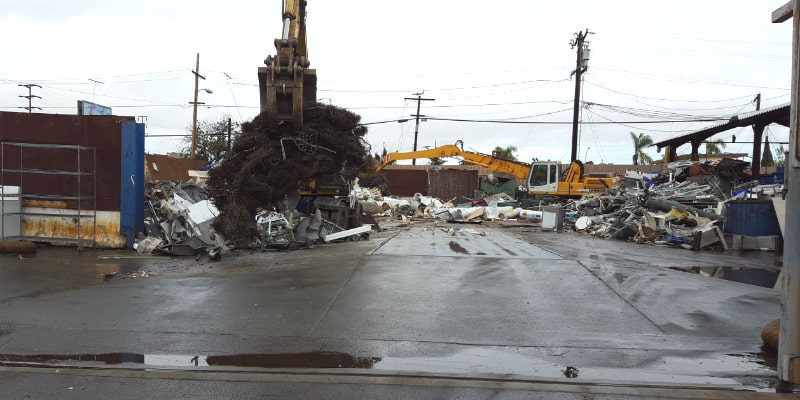
Industrial facilities can leak pollutants into the surrounding environment during storm events
San Diego Coastkeeper routinely exercises the ability to enforce laws like the Clean Water Act to stop illegal pollution and protect our local rivers, steams, lagoons, bays, and iconic coastal waters. Because government agencies responsible for enforcing environmental laws often dedicate so few resources to such enforcement, and because the political will to improve enforcement is often absent, citizen groups such as Coastkeeper are responsible for the vast majority of Clean Water Act enforcement in San Diego County. Without citizen groups willing to go to bat for the environment, polluters would have no incentive to stop polluting.
The citizen suits initiated by San Diego Coastkeeper have one goal: to ensure compliance with existing environmental laws. As a watchdog organization and the voice for San Diego’s waters, we identify polluters through pollution patrols, extensive research and review of public documentation, water quality sampling, and/or tips from the public. When we find Clean Water Act violations, we send our detailed findings to the entity discharging pollutants (called the “discharger”) in a letter called a “60 Day Notice of Intent to File Suit,” in an attempt to resolve the violations without involving the judicial system. However, when settlement is not possible, or the discharger chooses to litigate instead of coming into compliance with the law, we bring the fight for our waters into the courtroom.
Clean Water Act violations can make polluters liable for civil penalties of up to $68,445 per violation, per day. These fines can add up to millions of dollars over the course of several years. Rather than seeking to have polluters pay large fines into state or federal accounts and that are rarely used to remediate pollution impacts locally in San Diego, Coastkeeper frequently requires dischargers to instead direct funding to a local non-profit environmental organization working directly in the watershed the polluter has harmed. Through Coastkeeper’s numerous enforcement actions, we have been able to direct hundreds of thousands of dollars in funding to local non-profits, including:
These organizations, among others, have used those funds for important watershed enhancement and environmental restoration projects. By using citizen suits to enforce environmental laws, Coastkeeper is able to hold polluters accountable, improve water quality, and direct much-needed funding to other local non-profits that work hard to protect our environment.
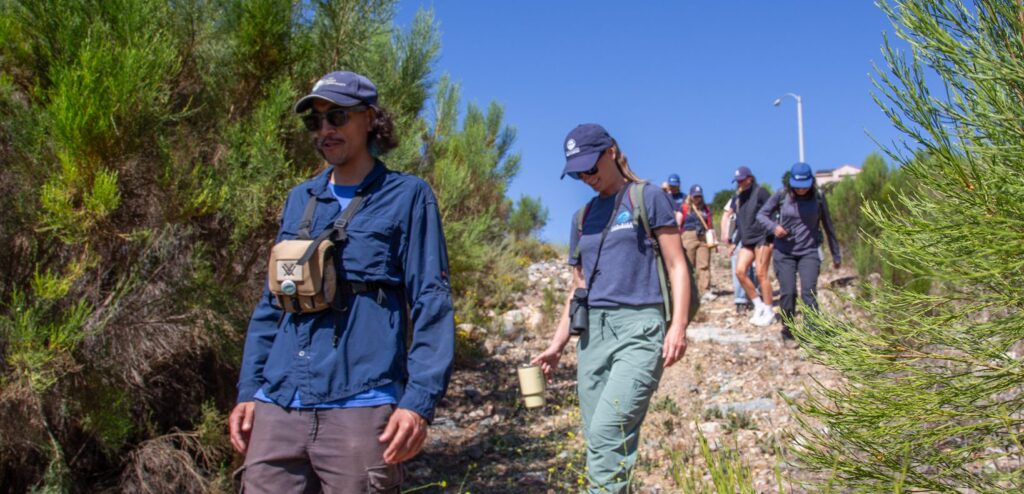
Our ability to protect the environment is only as good as the tools in our toolbox. As such, protecting and restoring our local waterways often means making sure our environmental laws, policies, permits, and regulations are sufficient to meet the needs of our communities and ecosystems. San Diego Coastkeeper works tirelessly to track and review Clean Water Act permit amendments, and to keep an eye on the policies and plans developed by the local, state, and federal agencies responsible for protecting our environment. When these agencies fall short of their procedural obligations, fail to comply with the law, or act in a manner that weakens environmental protections, San Diego Coastkeeper steps up to challenge the scientific or legal basis of their actions before administrative, state, or federal courts.